

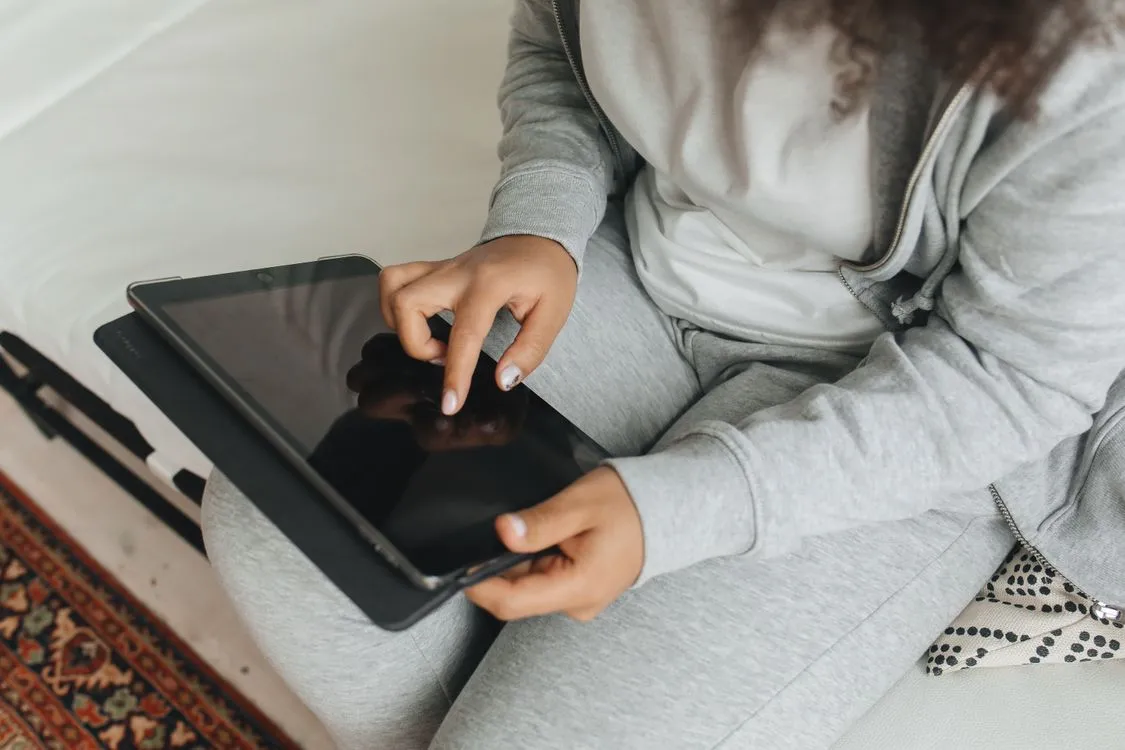
Hotels and resorts are becoming more connected in 2026. Guests now expect convenience, speed, and personalized service throughout their stay. One technology helping meet those expectations is the iPad and similar tablet devices.
Many hotels and resorts use tablets as digital guest hubs. Instead of relying on printed directories, phone calls, or trips to the front desk, guests can access services directly from their room. From adjusting room settings to booking dinner reservations, tablets are helping create a smoother and more enjoyable hospitality experience.
Tablets Are Replacing Traditional Room Directories
For many years, hotel rooms included printed guides with information about facilities, services, dining options, and local attractions. While useful, these guides often became outdated and required frequent replacement.
In 2026, many hotels use iPads to provide the same information in a more flexible format. Guests can browse restaurant menus, spa treatments, event schedules, transportation options, and hotel policies directly from the tablet.
Digital information can be updated instantly. This allows hotels to display current promotions, operating hours, and special events without reprinting materials.
For guests, finding information becomes much faster. Everything is organized in one place and accessible with just a few taps.
Room Controls Are Becoming Smarter
One of the most popular uses for in-room tablets is room control. Guests can adjust lighting, air conditioning, curtains, televisions, and alarm settings without leaving the bed.
This level of control creates a more personalized experience. Travelers can customize their room environment based on their preferences rather than relying on fixed settings.
Some resorts allow guests to create room scenes. A relaxation mode may dim the lights and close the curtains. A work mode may brighten the room and adjust the temperature for comfort during meetings or focused tasks.
These smart controls also help hotels improve energy efficiency. Systems can automatically reduce energy usage when guests leave the room while maintaining comfort when they return.
Room Service Is Faster and More Convenient
Room service has become much easier with digital ordering systems. Instead of calling the front desk or restaurant, guests can browse menus directly on the tablet.
High-quality photos, detailed descriptions, dietary information, and estimated delivery times help guests make decisions more easily. Orders can be sent directly to the kitchen, reducing communication errors and improving efficiency.
Many resorts also use tablets for requesting extra towels, pillows, toiletries, housekeeping visits, or maintenance support. Guests can submit requests at any time without waiting on hold or visiting reception.
For hotel staff, digital requests help prioritize tasks and improve response times. For guests, the process feels more convenient and reliable.
Entertainment Options Are Expanding
Tablets have also become valuable entertainment tools. Guests can use them to browse streaming services, view resort event schedules, reserve activities, and discover local attractions.
Many hotels integrate tablets with smart televisions. Guests can use the device as a remote control, browse entertainment options, and manage viewing preferences.
Resorts often include recommendations for nearby attractions, tours, dining experiences, and cultural activities. This helps visitors make the most of their stay without spending time searching multiple websites.
Digital entertainment is becoming increasingly important during travel. Some guests may spend downtime exploring options such as online bingo while relaxing in their room, while others may choose movies, games, or resort activities.
The goal is providing convenient access to entertainment without leaving the guest room.
Casino Resorts Lead Digital Innovation
Casino resorts are often among the earliest adopters of hospitality technology. These large properties manage hotels, restaurants, entertainment venues, shopping areas, gaming floors, conference facilities, and loyalty programs all within a single destination.
Tablets help connect these services into one unified experience. Guests can view restaurant availability, reserve show tickets, check loyalty rewards, book spa appointments, and explore gaming options through connected digital systems.
Many casino resorts also integrate mobile apps with in-room tablets. This allows guests to start a booking on their phone and continue it from their room without interruption.
Personalized Service Through Data
One advantage of digital guest systems is personalization. Resorts can use guest preferences to create more relevant recommendations and services.
A guest who frequently visits the spa may receive wellness suggestions. Someone interested in live entertainment may receive event recommendations. Restaurant offers can be tailored based on dining history and preferences.
The goal is not to overwhelm guests with promotions. Instead, resorts use technology to provide useful suggestions that improve the overall experience.
When done properly, personalization helps guests discover amenities they may have otherwise missed.
The Future of Hospitality Technology
The use of iPads and tablets in hotels and resorts continues to expand because they solve real problems for both guests and operators. They simplify room controls, improve service requests, enhance entertainment, and create stronger communication.
Casino resorts demonstrate how effective these systems can be when integrated across multiple services and experiences. By connecting accommodations, dining, entertainment, rewards, and guest support, they create a more seamless stay.
As hospitality technology continues to evolve, tablets will remain an important tool for delivering convenience, comfort, and personalized experiences. For travelers in 2026, that means less time managing logistics and more time enjoying the destination.